Living in Atlantic City, NJ: A Complete Guide for Buyers and Sellers

Derek Doernbach, Realtor®
Published October 26, 2026 · 12 min read
The Short Answer
Atlantic City is a barrier-island city of about 38,500 people (38,497 at the 2020 U.S. Census) on Absecon Island, incorporated on May 1, 1854 as the nation's first seaside resort and home of the first American boardwalk, which opened in 1870. For buyers, it offers the most attainable prices anywhere on Absecon Island, a true year-round city with its own PreK-12 school district, NJ Transit rail service, and a huge rental and short-stay market, all within minutes of the longest stretch of free public beach in Atlantic County. For sellers, the honest picture starts with reality: roughly 94% of the city's properties sit in FEMA Special Flood Hazard Areas, about 70% of homes are renter-occupied, and the market is slower and more price-sensitive than Ventnor, Margate, or Longport just down the island. Understanding the flood maps, the tax bills, the condo rules, and the difference between a Boardwalk address and a residential block is the difference between a smart Atlantic City purchase and an expensive surprise.
This guide is for first-time buyers, investors, relocating buyers, downsizers, and current owners considering Atlantic City, and for anyone comparing it with Brigantine, Ventnor, Margate, Absecon, Pleasantville, or the rest of Atlantic County. It covers how to get there, the history, the neighborhoods, schools, flood zones, the housing market, property taxes, financing options, and what to expect when buying or selling in the Entertainment Capital of the Jersey Shore.
- Atlantic City occupies the northern end of Absecon Island, connected to the mainland by the Route 40/322 causeway (Albany Avenue Boulevard), the Atlantic City Expressway, and NJ Transit's Atlantic City Rail Line, which ends at the Atlantic City Rail Terminal near the Boardwalk.
- The city was incorporated May 1, 1854 from Dr. Jonathan Pitney's vision of a seaside resort; the Boardwalk opened in 1870 as the first in the United States. The Miss America pageant began here in 1921, Steel Pier opened in 1898, and casino gambling was legalized statewide by referendum in 1976.
- The Atlantic City School District serves the city PreK-12. Atlantic City High School also receives students from Brigantine, Ventnor, Margate, and Longport under sending-receiving arrangements, and Stockton University operates its coastal campus in the Chelsea neighborhood.
- First Street Foundation's flood model places about 94.5% of Atlantic City properties (11,552 of 12,218) in FEMA Special Flood Hazard Areas, flood Zone A or V. Flood insurance is a budget line for nearly every Atlantic City transaction, and coastal construction rules apply to many repairs and renovations.
- Atlantic City's 2025 general tax rate is $3.380 per $100 of assessed value, an effective rate of 2.155%, per the NJ Division of Taxation. A citywide revaluation was completed in early 2020, and the city began procuring a new revaluation in August 2025, which means assessment questions are very much current for buyers and sellers.
- The July 2026 Realtors Property Resource profile in the Atlantic City area guide shows a median sold price near $215,000, a median 75 days on market, roughly 9.85 months of inventory, and a 96% sold-to-list ratio, with a median owner-occupied home value of about $244,000. Renter-occupied homes outnumber owner-occupied homes about 70% to 30%.
Where Is Atlantic City, and How Do You Get There?
Atlantic City sits on the northern 4.5 miles or so of Absecon Island, the first island you hit driving east on the Atlantic City Expressway. The Expressway ends at the island in a fan of ramps that empty onto Atlantic Avenue and the city grid, and US Route 40 and Route 322 share the causeway (Albany Avenue) from the mainland. Both are toll-free fast routes from the Garden State Parkway, which connects at the Expressway's start near Egg Harbor Township.
Rail is a genuine option here, which is rare at the shore. NJ Transit's Atlantic City Rail Line runs from Philadelphia's 30th Street Station to the Atlantic City Rail Terminal, next to the Boardwalk and the convention center. Local NJ Transit buses cover the city and the mainland towns, and the Atlantic City International Airport is a short drive up the Expressway in Egg Harbor Township. For commuters, Stockton University's Atlantic City campus, the casino and hospitality district, and the casino-related office and technology employers around the city keep a meaningful share of residents working within a 15-minute commute; the average travel time to work in the city is about 24 minutes per the Census-based profile in the area guide.
A Short History of Atlantic City
The story starts with Dr. Jonathan Pitney, a physician who saw Absecon Island as a seaside resort for Philadelphia. Rail service from Camden arrived in 1854, the same year the city incorporated, and the resort took off. In 1870 the first boardwalk in America opened, a temporary wooden walkway laid on the sand that hotel owners soon made permanent. The rest of the mythology followed: the Miss America pageant was invented in 1921 to stretch the tourist season past Labor Day, Steel Pier opened in 1898 and became known as the Show Place of the Nation, and the Absecon Lighthouse, built between 1855 and 1857, still stands 171 feet tall as the tallest lighthouse in New Jersey.
Casino gambling arrived by statewide referendum in 1976, and the first casino opened two years later. The industry rebuilt the skyline along the Boardwalk and the Marina, drew millions of visitors, and transformed the city economy, but it also concentrated the tax base in a handful of properties. Casino revenue and employment have swung hard since, with several closures in 2014 and a recovery led by newer properties and nongaming development. Today the city is a mix of gaming, entertainment, conventions, and a steadily growing residential market, with Stockton University's campus, the Orange Loop entertainment district, and approved housing projects changing the feel of several neighborhoods.
The Neighborhoods: From Chelsea to the Inlet
Atlantic City is a real grid city, about a mile and a quarter wide, with distinct residential districts that behave very differently. The city's own neighborhood map groups them roughly like this:
Chelsea and Chelsea Heights
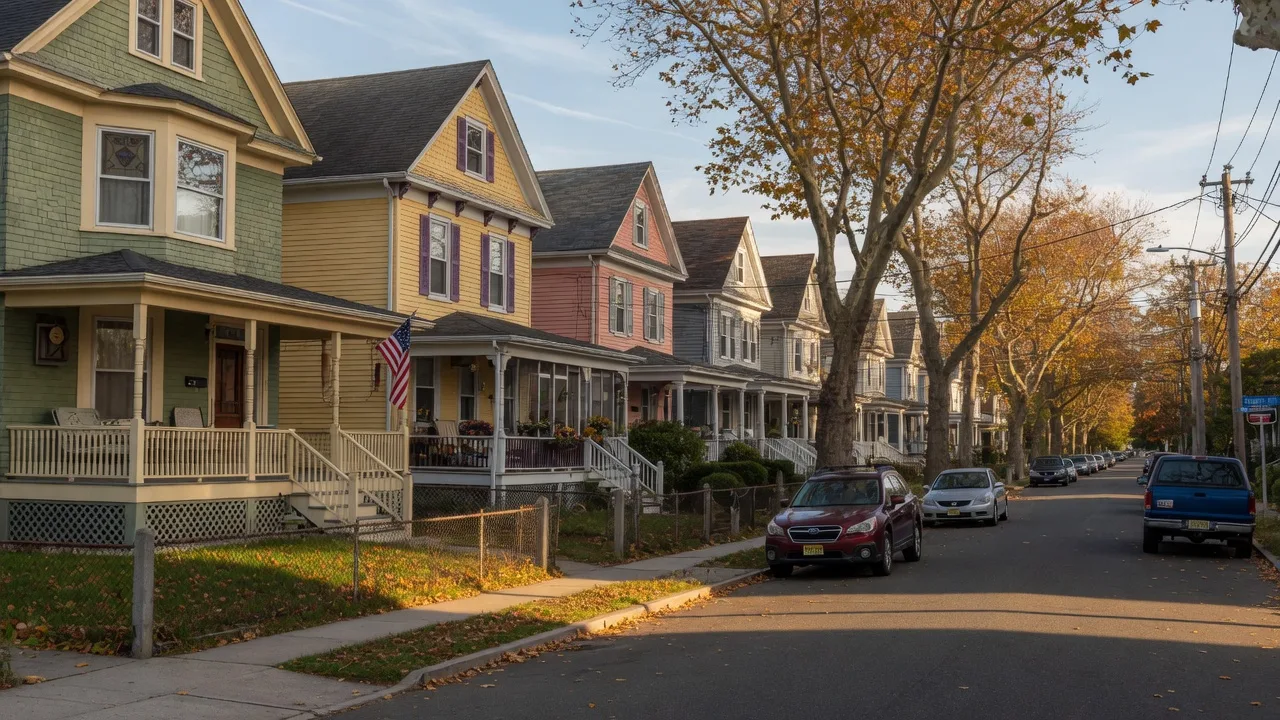
The middle of the island, roughly from the Chelsea area around Stockton University's campus to Chelsea Heights in the southwest along the bay, holds many of the city's most traditional homes: older Victorians, twins, and bungalow-style houses on tree-lined blocks. Chelsea Heights is a more suburban-feeling section near the bay, Bader Field, and the former airport lands. This is where first-time buyers and owner-occupants looking for a residential block tend to land first.
Ducktown
The historic Little Italy neighborhood on the island's west side, settled around the turn of the 1900s (the name comes from the poultry farmers who raised ducks here), now one of the city's most food-forward blocks. White House Sub Shop, Formica Bros. Bakery, and Angelo's Fairmount Tavern anchor the neighborhood, and Fairmount Avenue is the street locals point out-of-towners to for an old-school Italian dinner.
The Inlet and South Inlet
The city's north end, anchored by the Absecon Lighthouse at 31 South Rhode Island Avenue, Gardner's Basin and the Atlantic City Aquarium off the bay, and the old residential blocks that stretch toward the jetty. South Inlet is where two of the biggest approved housing projects are planned, a K. Hovnanian townhouse development approved in 2026 and the Caspian Point apartment project, which makes this the section to watch for new supply.
The Marina District and Gardner's Basin
The Marina District hugs the back bay on the island's west side and holds the waterfront casino properties, the Farley State Marina, and hotel and entertainment venues. Gardner's Basin is the working waterfront at the northern tip: charter boats, the aquarium, and the historic boats tied up along the basin.
Other residential sections
The grid is filled out by Bungalow Park and Venice Park in the island's southwest, the Westside along the corridor between the Expressway end and Atlantic Avenue, the Downtown and Midtown sections around the casinos and the corridor west of the Boardwalk, and the Orange Loop, the three-block entertainment district on Tennessee Avenue near Stockton's campus that has become the city's small-business revival story. Each block is different, so the address-level homework matters as much here as anywhere in South Jersey.
Schools in Atlantic City
The Atlantic City School District is one of the largest in Atlantic County and one of the area's few true urban districts, with its administrative offices at 1300 Atlantic Avenue and schools across the island serving PreK through 12. The district operates a network of elementary schools, a middle school, and Atlantic City High School, which anchors the north end of the city. Because the city has its own comprehensive high school, Atlantic City is one of the handful of shore municipalities where families do not send their children to a regional district; in fact, the reverse happens, with Brigantine, Ventnor, Margate, and Longport sending their high school students to Atlantic City High School under sending-receiving arrangements.
As with any district, the useful questions for parents are specific: which elementary school serves your address, what the current program offerings and class sizes are, and how the district's English language learner and special education programs fit your children's needs. The district's website and a call to the school for the assigned school by address will answer those faster than any neighborhood guide, including this one.
Flood Zones on a Barrier Island
This is the single most important fact about Atlantic City real estate, so it comes early in this guide. By First Street Foundation's flood model, about 94.5% of the city's properties sit in FEMA Special Flood Hazard Areas, flood Zone A or V: 11,552 of 12,218 properties. Near the ocean you are in the high-velocity V zones; along the bay and the lagoons you are in A and AE zones. A property in a Special Flood Hazard Area requires separate flood insurance for most mortgages, priced on the structure's lowest elevation, and the rates can run from a few hundred to several thousand dollars a year for shore homes.
Elevation is the whole game. Many Atlantic City homes have been raised over the years to meet FEMA and local floodplain rules, and post-FIRM construction must comply with current base flood elevation standards, which drives build costs but also lowers insurance premiums. Buyers should run the exact address through the FEMA Flood Map Service Center, ask for the existing elevation certificate, and get an insurance quote with the real property before making an offer. Sellers should have that paperwork ready, because flood questions come up in every inspection and every appraisal. My guide to flood insurance and flood zones at the Jersey Shore walks through the whole process, and the same rules apply almost everywhere on this island, including Brigantine up the coast.
The Atlantic City Real Estate Market
Atlantic City is the affordability play on Absecon Island, but it is a different kind of market from its southern neighbors. The July 2026 Realtors Property Resource profile in the Atlantic City area guide shows a median sold price of about $215,000 with a 96% sold-to-list ratio, a median 75 days on market, and about 9.85 months of supply, a buyer's-market measure that is dramatically softer than the county as a whole. The median owner-occupied home value is about $244,000, down about 6% over the prior twelve months, and about 30% of homes are owner-occupied versus 70% renter-occupied, so much of the housing stock turns over as rentals rather than sales.
For context: Atlantic County's year-to-date single-family median through August 2026 was $445,000, up 10.8%, with August days on market rising from 39 to 47, per the New Jersey REALTORS data in my South Jersey housing market update. Atlantic City prices sit far below that county median because the mix is different: more condos and smaller homes, more rental-oriented properties, and the discount that comes with flood exposure and a slower sales pace. For a buyer who is prepared for flood insurance and comfortable with an urban grid, that gap is the opportunity. For a seller, it is the argument for honest pricing and strong presentation, because the buyer pool is thinner and more price-aware than in Margate or Longport.
Condos deserve their own note. A large share of Atlantic City transactions are condominium sales, from Boardwalk-adjacent towers to bay-side communities, and every one of them is subject to the condo rules a buyer must review: association resale certificates, budgets, special assessments, ownership and rental restrictions, and the flood-insurance master policy. My Jersey Shore condo buying guide covers exactly what to pull out of the documents before you sign.
Property Taxes and the Revaluation Story
Atlantic City's 2025 general tax rate is $3.380 per $100 of assessed value, an effective rate of about 2.155% against market values, per the NJ Division of Taxation's 2025 General Tax Rates. The effective rate, which compares taxes to what homes actually sell for, is the fair way to compare Atlantic City with other towns because assessments sit far from sale prices here. For most homeowners, though, the bigger story is assessment itself.
The city ran a citywide revaluation that wrapped up in early 2020, its first since 2008 and only its second since 1978, after the ratable base had shrunk dramatically as casino properties won appeals and moved to PILOT (payments in lieu of taxes) agreements. That revaluation pushed many residential assessments sharply upward and produced a wave of appeals. Now the cycle is turning again: the city began procuring a new revaluation in August 2025, with new assessments anticipated around 2026. That matters if you are buying or selling in the next couple of years, because your tax bill after closing may not look like the seller's current bill. My Atlantic County property tax appeal guide explains the deadlines and process, and the statewide ANCHOR program and the senior and veteran relief programs can offset part of the burden for eligible households.
Financing: NJHMFA, FHA, VA, and Condo Loans
Atlantic City's price point makes it one of the most accessible mortgage markets in Atlantic County, and the programs that help first-time buyers work here. NJHMFA offers eligible first-time buyers up to $15,000 in forgivable down payment assistance, with an extra $7,000 for qualifying first-generation buyers, and its mortgage products pair with FHA and conventional loans. FHA is common in the city because it allows 3.5% down and works on older, lower-priced properties, and VA loans are available to eligible veterans with zero down. My NJHMFA down payment assistance guide and my VA loan guide for South Jersey veterans cover the details.
The finance question that trips up more Atlantic City buyers than any other is condo eligibility. Fannie Mae, Freddie Mac, and the FHA all review condo projects, not just borrowers, and a building with excessive rentals, litigation, an owner-occupancy ratio below guidelines, or an incomplete association financial picture can be non-warrantable, which locks out conventional financing. With so much of the city's inventory in condos and so many units rented, checking project eligibility before shopping is not optional. A pre-approval from a lender experienced with shore condos, plus the condo documents review from my buying guide above, is the practical path.
Local Life: Where People Actually Go
Atlantic City life is bigger than the casinos, and locals use the city in specific ways. The Boardwalk is free and genuinely walkable in the off-season, the beaches are free (and non-badged, meaning no beach tag is required, unlike towns farther south), and the residential neighborhoods have their own rhythms: coffee shops and restaurants along Tennessee Avenue's Orange Loop, the diners and delis on Atlantic Avenue, and the bars and taverns of Fairmount and the Ducktown blocks.
- The Atlantic City Boardwalk: the beachfront promenade that started it all, lined by casinos, restaurants, and the shops of the city's tourism district, and open year-round.
- Steel Pier: the amusement pier at the foot of Virginia Avenue, rebuilt and running since 1898 in one form or another, with rides and games above the surf.
- Angelo's Fairmount Tavern, 2300 Fairmount Avenue: the 1930s-era Italian tavern in the heart of Ducktown that generations of locals have used for red-sauce dinners and old-fashioned hospitality.
- Tun Tavern Restaurant & Brewery: a courtyard brewery and pub near the convention center and Stockton's campus, named for the historic Philadelphia tavern the Marines credit as their birthplace.
- White House Sub Shop, 2301 Arctic Avenue: the 1946 New York-style hoagie institution that lines up locals and visitors alike, and the best-known lunch stop on the mainland side of the island.
- Absecon Lighthouse, 31 South Rhode Island Avenue: the 1857 light tower, the tallest in New Jersey at 171 feet, open for climbs with a museum on the grounds. A National Historic Landmark and the city's best view.
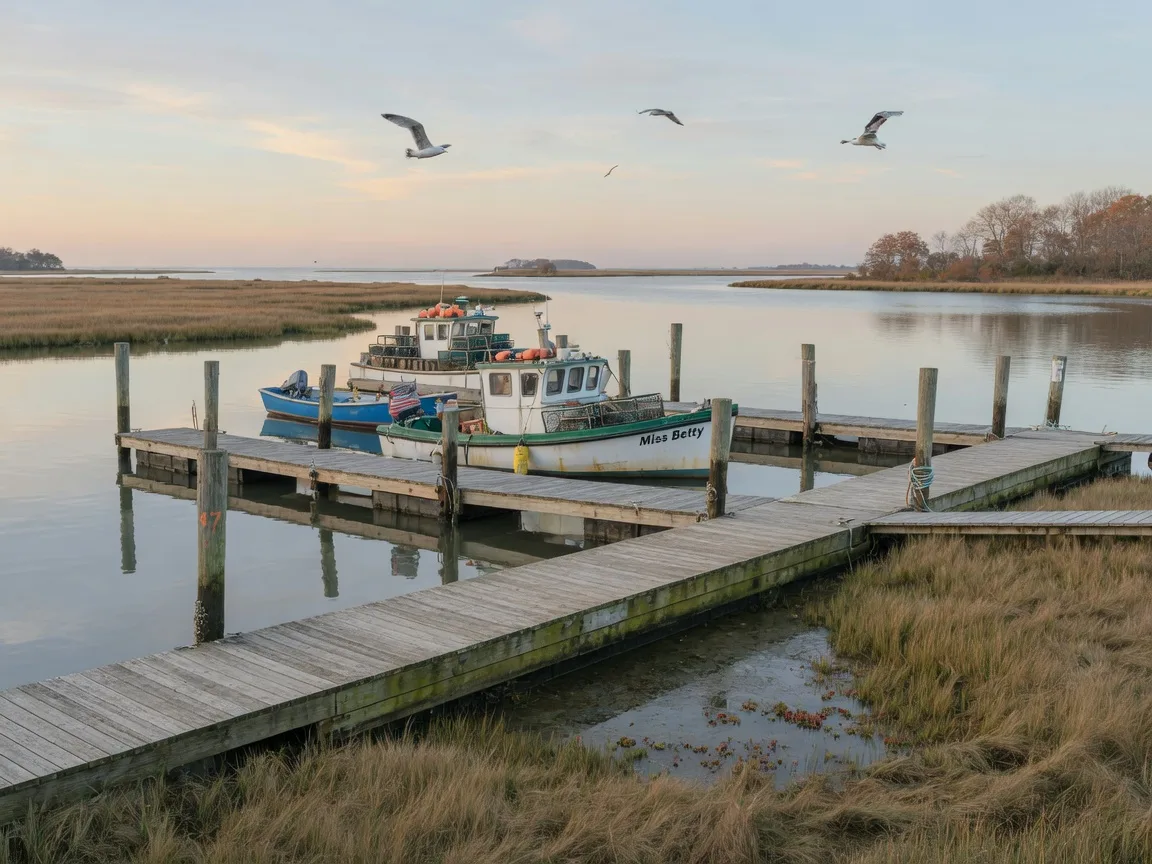
- Gardner's Basin and the Atlantic City Aquarium: a working waterfront at the Inlet where charter boats depart, local boats tie up, and the aquarium sits right on the basin.
What This Means for Buyers
Buying in Atlantic City is a numbers game done right. The opportunities are real: prices that often beat any mainland town in the county, free beaches, a rail line to Philadelphia, rental income potential in a city that is 70% renter-occupied, and redevelopment momentum. The practical checklist:
- Run the FEMA flood map for the exact address before you view, get an insurance quote with the real property, and ask for the elevation certificate. Flood costs are part of the monthly payment here, and they decide whether a deal works.
- If you are buying a condo, verify project eligibility for the loan you want before you write an offer, then review the association documents: reserves, special assessments, rental caps, and the flood master policy.
- Understand the tax year you are buying into. If new assessments from the 2026 revaluation are coming, model the tax bill at today's effective rate against the purchase price, not the seller's bill.
- Pay the street a real visit, at night and on a weekend, because the island varies block to block and the tourism calendar changes the feel of the city between summer and winter.
What This Means for Sellers
Selling in Atlantic City means competing in a market with roughly ten months of inventory, so pricing accuracy and presentation are everything. The buyer pool includes investors, first-time buyers, and relocating owners, and each group is working a different equation. Investors want to see the rent and the expenses. Owner-buyers want a clean, honest story about the flood insurance, the taxes, and the neighborhood.
Sellers should assemble the paperwork buyers will ask for: the flood zone status and any elevation certificate, current assessment and tax bill, condo documents if applicable, and the smoke detector and carbon monoxide alarm certificate New Jersey law requires at every residential closing. Atlantic City's construction office can answer whether the specific property needs any additional inspection or certificate on resale, and my guide to municipal inspections and certificates of occupancy across Atlantic County shows how much the rules vary from town to town. And because buyers here buy numbers as much as houses, the marketing matters: photography, video, and Matterport 3D tours help out-of-town and investor buyers understand a property before they drive to the island.
Key Takeaways
- Atlantic City is the northern end of Absecon Island: the first American boardwalk (1870), incorporated May 1, 1854, and home to about 38,500 people with NJ Transit rail, free public beaches, and the county's most attainable prices.
- The city has its own PreK-12 school district, and Atlantic City High School serves Brigantine, Ventnor, Margate, and Longport under sending-receiving arrangements.
- About 94.5% of properties sit in FEMA Special Flood Hazard Areas; flood insurance, elevation certificates, and coastal construction rules are part of nearly every transaction.
- The 2025 general tax rate is $3.380 per $100 of assessed value (effective 2.155%), a citywide revaluation was completed in early 2020, and a new revaluation was being procured in August 2025.
- The market is a buyer's market by the numbers (about 9.85 months of supply, 75 median days on market in July 2026), 70% of homes are renter-occupied, and condo financing eligibility is the most common deal-breaker.
Why Atlantic City Matters Right Now
Atlantic City is in the middle of its most serious residential building cycle in years, and the approvals are on the public record. In August 2026, the Casino Reinvestment Development Authority signed off on a package of projects that includes a 180-unit apartment building at Caspian Point, roughly 152 to 159 townhouses in South Inlet from K. Hovnanian, the conversion of a shuttered firehouse into a business center, and an estimated $85 million renovation and mixed-use conversion of the Sheraton Atlantic City Convention Center Hotel, together adding more than 330 housing units near the Inlet.
The city is also courting nongaming employers. In September 2025 the city awarded the construction contract for the Atlantic Avenue paving project positioned to support a planned $75 million Evolution Gaming production studio at Fairmount and Georgia Avenues and a five-story boutique hotel on the 2300 block of Arctic Avenue, and a 12-unit mixed-use project with retail moved forward on Tennessee Avenue in October 2025 under a 30-year tax exemption. A much larger proposal, a roughly $1 billion nongaming sports-and-entertainment redevelopment of the Claridge Hotel and the former Sands site, was pitched in April 2025 and remains a proposal unless and until it is approved and financed.
What that means for homeowners is simpler than the headlines: new housing supply at the Inlet, new jobs in the studio economy, and steady improvement in the city's tourism districts all affect the value of the residential blocks they surround. None of it makes the flood maps or the tax bills disappear. It does mean the city is changing in ways that reward local knowledge, for buyers who want to get in ahead of the cycle and for sellers who want to present their property to the broadest possible audience.
Frequently Asked Questions
What is it like to live in Atlantic City, NJ?
Atlantic City is a dense, year-round island city of about 38,500 people with free beaches, the Boardwalk and casinos as the tourism core, NJ Transit rail service to Philadelphia, and residential neighborhoods from Chelsea to the Inlet. It is the most affordable place to live on Absecon Island, with a large renter population and a 24-minute average commute.
What school district serves Atlantic City, NJ?
The Atlantic City School District serves the city PreK-12, with its offices at 1300 Atlantic Avenue. Atlantic City High School also receives students from Brigantine, Ventnor, Margate, and Longport under sending-receiving arrangements, and Stockton University operates its coastal campus in the city's Chelsea neighborhood.
Is Atlantic City in a flood zone?
Yes, by a wide margin. First Street Foundation's model places about 94.5% of Atlantic City properties (11,552 of 12,218) in FEMA Special Flood Hazard Areas, flood Zone A or V. Most mortgages require separate flood insurance for these properties, and buyers should check the FEMA map for the exact address and ask for an elevation certificate.
How much are property taxes in Atlantic City, NJ?
Atlantic City's 2025 general tax rate is $3.380 per $100 of assessed value, an effective rate of about 2.155% against market values, per the NJ Division of Taxation. Assessments were last updated by the revaluation completed in early 2020, and the city began procuring a new revaluation in August 2025, so bills can change when new assessments arrive.
Can I use NJHMFA down payment assistance to buy in Atlantic City?
Yes. Eligible first-time buyers can use NJHMFA's first-time buyer programs, including up to $15,000 in forgivable down payment assistance (plus $7,000 for qualifying first-generation buyers), and FHA and VA loans work on most Atlantic City properties. Condo purchases carry an extra step: the project itself must meet the lender's eligibility rules.
Is Atlantic City a good place for investment properties?
Atlantic City's rental market is among the strongest in Atlantic County, with about 70% of homes renter-occupied, and investor activity is a major part of the market. The numbers that matter are the flood insurance premium, the condo association rules on rentals, the tax bill at the current assessment, and the month-by-month cost of carrying a shore rental, so the deal analysis belongs in front of any purchase.
Sources and References
- NJ Division of Taxation, 2025 General Tax Rates (Atlantic City CITY general $3.380, effective 2.155%)
- U.S. Census Bureau QuickFacts: Atlantic City city, New Jersey (2020 population 38,497)
- Atlantic City, New Jersey (incorporation May 1, 1854; population history; casino era)
- Atlantic City Board of Education: Our District (PreK-12 district)
- Atlantic City School District (enrollment, schools, sending-receiving participation)
- First Street Foundation flood risk report, Atlantic City (11,552 of 12,218 properties in FEMA Zone A or V)
- FEMA Flood Map Service Center (address-level flood zone checks)
- Redfin Atlantic City housing market summary (median sale price and days on market trend)
- City of Atlantic City: Living in Atlantic City (official neighborhood map and city information)
- NJ CRDA / Press of Atlantic City: four major development projects before CRDA (Caspian Point, South Inlet, Sheraton conversion)
- City of Atlantic City news release: Atlantic Avenue paving contract (September 2025)
- Jersey Digs: Tennessee Avenue mixed-use project moves forward (October 2025)
- Casino.org: $1 billion Claridge and Sands site proposal (April 2025, proposed with state financing request)
- NJ Division of Taxation, Average Residential Property Tax Report 2023 (Atlantic City average residential bill context)
- NJ Housing and Mortgage Finance Agency (NJHMFA first-time buyer and down payment assistance programs)
- Visit Atlantic City (official tourism information: Boardwalk, beaches, neighborhoods)
Market and demographic figures reflect the July 2026 Realtors Property Resource neighborhood profile in the Atlantic City area guide, the August 2026 New Jersey REALTORS county data in the South Jersey housing market update, and the sources above, accessed October 2026. Population figures reflect the 2020 U.S. Census. First Street flood figures are a model estimate, not the official FEMA map, so verify the specific address with FEMA before acting. Development statuses change: some projects listed here were approved, others were proposed or in planning at the time this was written, and all of them are subject to financing and permitting. Local conditions change, so verify the current tax bill and assessment, flood information, school enrollment, condo eligibility, and any local inspection requirements with the city and the school district before acting.
Thinking About Buying or Selling in Atlantic City?
Atlantic City rewards buyers and sellers who do the homework, and that is exactly where an experienced island-side agent earns their keep: the flood maps and elevation certificates, the condo eligibility questions, the revaluation timing, the honest price that moves a home in a ten-month market, and the marketing that makes an Atlantic City property stand out to investors and relocating buyers who have never driven to the island. If you are considering a property here, or comparing it with Brigantine, Ventnor, Margate, Absecon, or the rest of Atlantic County, I can pull the numbers for your situation and give you a straight answer about what the property is worth and whether it makes sense. No pressure, just an honest read on the market, the same one I have been giving South Jersey buyers and sellers for a decade.
Derek Doernbach, REALTOR
Century 21 Action Plus Realty · Your Jersey Shore Team
Licensed in New Jersey (1645208) · Serving the Jersey Shore and Southern New Jersey since 2016
Derek Doernbach, Realtor®
Century 21 Action Plus Realty | Your Jersey Shore Team
Derek has been helping South Jersey families buy and sell homes since 2016. He has closed 192 transactions, earned the New Jersey Realtors® Circle of Excellence Award every year since 2019, and serves as a Director with the Atlantic City & County Board of REALTORS. He works across Atlantic County from the barrier islands to the mainland towns, and he brings the same honest, direct, locally informed approach to every transaction. Licensed in New Jersey (1645208). Learn more about Derek.